Beautiful makeup always starts with beautiful skin. After years of working as a professional makeup artist in Casablanca, the single most important lesson I have learned is this: skincare routine before makeup determines at least 70% of your final result. No foundation, no matter how expensive, can compensate for poorly prepped skin. If you are wondering how to prep skin for makeup that lasts from morning until midnight, you have come to the right place.
This guide walks you through every single step of a professional pre makeup skincare routine, explains why each step is essential for makeup longevity, and shows you how to customize the routine for your specific skin type. Whether you are getting ready for a regular workday, a special event, or your wedding day, this preparation sequence will transform your makeup game entirely.
Why Your Skincare Routine Before Makeup Matters
Think of your skin as a canvas and makeup as paint. Just as an artist primes their canvas before painting, your skin needs proper preparation to hold makeup beautifully. When you skip your skincare routine before makeup, several things happen: foundation clings to dry patches, concealer creases within an hour, blush fades by lunchtime, and your entire look appears dull and uneven.
Properly prepped skin does the opposite. It allows makeup to glide on seamlessly, blend effortlessly, and maintain its vibrancy for 12 or more hours. The products in your pre makeup skincare routine create layers of hydration and protection that act as a moisture reservoir beneath your makeup, preventing it from drawing moisture from your skin and breaking down prematurely.
According to dermatological research, well-hydrated skin reflects light more evenly, which means your foundation appears more luminous and natural. Additionally, a proper barrier between your bare skin and makeup products reduces the risk of clogged pores and breakouts -- something every makeup lover should care about.
The Complete 9-Step Pre-Makeup Skincare Routine
Here is the exact sequence I use on every client before applying a single drop of foundation. This is the professional approach to how to prep skin for makeup that lasts all day and looks stunning in photos.
Double Cleanse Your Skin
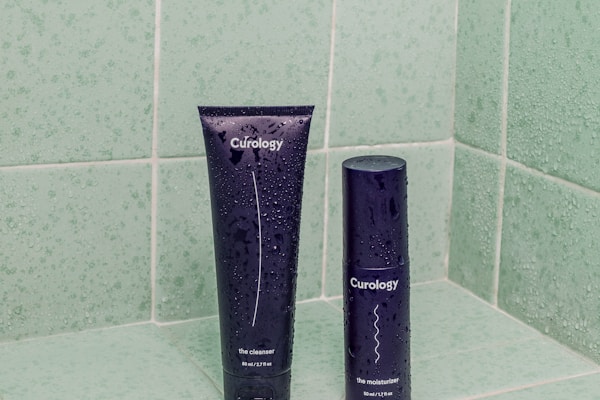
Begin with an oil-based cleanser to dissolve overnight sebum, sunscreen residue, and any impurities. Massage gently for 30 seconds, then rinse. Follow with a gentle water-based cleanser (cream or gel formula) to remove anything remaining. Rinse with lukewarm water -- never hot, which damages your moisture barrier.
Apply Hydrating Toner
While your skin is still slightly damp, pat an alcohol-free hydrating toner across your face using your palms or a soft cotton pad. Look for ingredients like hyaluronic acid, glycerin, rose water, or chamomile extract. You can layer toner 2-3 times for deeper hydration -- a technique borrowed from Korean skincare known as the "7-skin method."

Apply Your Targeted Serum
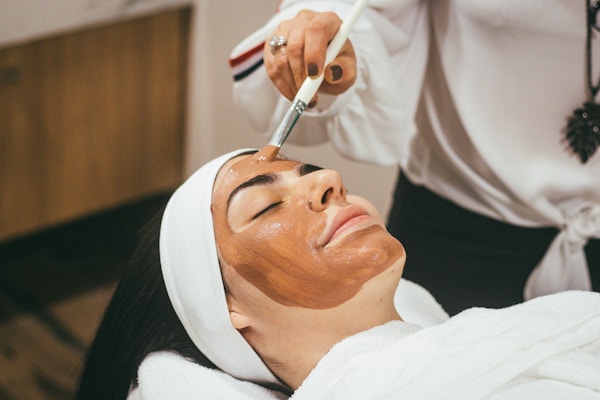
Serums are concentrated treatments that address specific concerns. For morning pre-makeup use, hyaluronic acid is the gold standard -- it draws moisture into the skin, creating a plump, dewy canvas. Vitamin C serum is another excellent choice as it brightens your complexion and provides antioxidant protection throughout the day. Apply 2-3 drops and press gently into the skin. Allow 60-90 seconds for absorption.
Treat the Under-Eye Area
Using your ring finger (it applies the least pressure), dab a small amount of eye cream around the orbital bone. Choose a formula with caffeine to reduce puffiness, or one with peptides to smooth fine lines. Gently tap the product in -- never rub or drag the delicate eye area. Allow it to absorb for at least a minute before moving on.


Moisturize Thoroughly
This is the most critical hydration step. Apply your moisturizer evenly across the face and neck in gentle upward strokes. For oily skin, use a lightweight gel moisturizer. For dry skin, opt for a richer cream with ceramides or shea butter. For combination skin, use a medium-weight lotion and focus the richer product on drier areas. Allow 3-5 minutes for full absorption -- your skin should feel hydrated but not wet or greasy.
Apply Lip Balm Early
This step is often overlooked, but it is one of my favorite professional tricks. Apply a nourishing lip balm now, early in the routine, so it has 10-15 minutes to absorb while you complete the remaining steps. Look for formulas with shea butter, vitamin E, or lanolin. By the time you are ready for lip color, your lips will be perfectly smooth, hydrated, and ready for any lip product you choose.

 Properly prepped skin glows from within -- the perfect canvas for any makeup look.

Apply Broad-Spectrum SPF
Sunscreen is non-negotiable, even on cloudy days, even indoors near windows. Apply a generous amount of SPF 30 or higher (I personally use SPF 50 for my clients in sunny Casablanca). Choose a lightweight formula that dries matte or semi-matte under makeup. Mineral sunscreens with zinc oxide work beautifully under foundation. Allow 2-3 minutes for the SPF to form a protective film before applying primer.
Apply Makeup Primer
The final frontier between skincare and makeup. Choose your primer based on your primary concern: pore-minimizing primers (silicone-based) smooth texture, hydrating primers (water-based) boost glow, mattifying primers control oil in the T-zone, and color-correcting primers (green for redness, lavender for sallowness) even out tone. Apply a thin, even layer and wait 60 seconds for it to set before reaching for your foundation.

Set with a Facial Mist (Optional Bonus)
For an extra professional touch, hold a hydrating facial mist 8-10 inches from your face and give two light spritzes. This bonds all your skincare layers together, adds a final veil of hydration, and helps the primer set properly. Look for mists with thermal water, rose water, or glycerin. This step is especially beneficial in dry climates or air-conditioned environments where your skin loses moisture rapidly.
Morning vs Evening Skincare: What Changes?
Your skincare routine before makeup differs significantly from your evening routine. The morning is about protection and preparation, while the evening is about repair and treatment. Understanding this distinction is key to maintaining healthy skin that looks gorgeous under makeup every day.
Protect and Prepare
- Gentle cleanser (or just water splash)
- Hydrating toner
- Antioxidant serum (Vitamin C)
- Eye cream (lightweight)
- Lightweight moisturizer
- Lip balm
- SPF 30+ sunscreen
- Primer
Remove, Repair, Renew
- Double cleanse (oil + water cleanser)
- Exfoliating toner (2-3x per week)
- Treatment serum (retinol, AHA/BHA)
- Eye cream (peptide-rich)
- Rich night cream or sleeping mask
- Lip treatment mask
- Facial oil (optional)
- No SPF or primer needed
Your evening skincare routine directly impacts how your skin looks the next morning. When I prep brides, I always give them an evening skincare regimen to follow for 2-4 weeks before the wedding. By the time their big day arrives, their skin is so healthy and hydrated that makeup application becomes effortless. Think of your evening routine as an investment in tomorrow's makeup canvas.
Essential Products and Tools
Gentle Cleanser
A cream or gel cleanser that removes impurities without stripping moisture. Avoid foaming cleansers with sulfates.
Hydrating Toner
Alcohol-free formula with hyaluronic acid, rose water, or glycerin. Rebalances pH and boosts hydration.
Vitamin C Serum
Brightening antioxidant serum that protects against environmental damage and gives skin a radiant glow.
Eye Cream
Lightweight formula with caffeine or peptides to hydrate, de-puff, and smooth the delicate under-eye area.
Moisturizer
Choose gel for oily skin, lotion for normal, cream for dry. Must absorb cleanly without leaving residue.
SPF 30+ Sunscreen
Broad-spectrum protection that works under makeup. Choose matte-finish or tinted formulas for best results.
Makeup Primer
Pore-minimizing, hydrating, or mattifying depending on your skin type. The final step before foundation.
Lip Balm
Nourishing formula with shea butter or vitamin E. Apply early so it absorbs before lip color application.
Facial Mist
Thermal water or rose water mist to bond skincare layers together and add a final veil of hydration.
Adjusting Your Routine by Skin Type
While the general sequence remains the same, certain adjustments make a significant difference based on your skin type. Here is how to customize your pre makeup skincare routine for the best results.
Oily Skin
If you have oily skin, you might be tempted to skip moisturizer -- please do not. Dehydrated oily skin overproduces sebum, which breaks down makeup faster. Use a lightweight, oil-free gel moisturizer and a mattifying primer. Focus your primer on the T-zone where oil production is highest. Consider using a niacinamide serum in place of vitamin C, as niacinamide helps regulate sebum production.
Dry Skin
Dry skin needs extra attention in the hydration department. Layer your toner 2-3 times, use a hyaluronic acid serum, and choose a rich cream moisturizer with ceramides. Skip mattifying primers entirely and opt for a hydrating or luminous primer instead. You can also mix a drop of facial oil into your moisturizer for an extra boost. In Casablanca's drier months, I add this step for most of my clients.
Combination Skin
The multi-zone approach works best here. Use a lightweight gel moisturizer on the oily T-zone and a richer cream on the drier cheeks and perimeter. You can even use two different primers: mattifying on the forehead, nose, and chin, and hydrating on the cheeks. This targeted approach keeps makeup looking balanced across all areas of the face.
Sensitive Skin
Choose fragrance-free, hypoallergenic products at every step. Skip chemical exfoliants in the morning entirely and keep your routine minimal. Look for soothing ingredients like centella asiatica, aloe vera, and oat extract. A mineral SPF is gentler than chemical sunscreen for sensitive skin types. When it comes to primer, silicone-free formulas tend to be less irritating.
Expert Tips from Lamyaa Aissi
Between each major product step (moisturizer, SPF, primer), wait a full 60-90 seconds. This prevents pilling and ensures each layer absorbs properly. I set a mental timer for each step. It feels slow at first, but the result is makeup that looks airbrushed and lasts all day.
Silicone-based primers work best with silicone-based foundations, and water-based primers work best with water-based foundations. Mixing the two creates a "separation" effect that causes foundation to break apart on the skin. Check the first few ingredients of both products -- if the foundation lists water first, use a water-based primer.
For special events, I wrap an ice cube in a thin cloth and press it gently over the skin for 30 seconds after toner and before serum. This tightens pores, reduces puffiness, and gives skin a gorgeous, tight, smooth canvas. It sounds simple, but the difference in foundation application is remarkable.
After applying serum, use a cold jade roller or gua sha tool in upward strokes across the face. This boosts circulation, helps products penetrate deeper, reduces morning puffiness, and gives the skin a natural healthy flush. I keep my jade roller in the refrigerator for an extra cooling, de-puffing effect.
Frequently Asked Questions
What is the correct skincare routine before makeup?
The correct order is: cleanse, tone, apply serum, eye cream, moisturize, lip balm, apply SPF, then primer. Each step builds on the previous one, creating layers of hydration and protection that help makeup adhere better and last longer throughout the day. The entire routine takes approximately 15-20 minutes including wait times between products.
How long should I wait between skincare and makeup?
Wait at least 5-10 minutes after your final skincare step (primer) before applying foundation. Each individual product needs 60-90 seconds to absorb. Applying makeup too quickly over wet skincare causes pilling, patchiness, and reduced longevity. If you are in a rush, blot gently with a tissue before applying makeup, but the waiting time truly does make a difference.
Should I use moisturizer before makeup if I have oily skin?
Yes, absolutely. All skin types need moisturizer before makeup. For oily skin, choose a lightweight, oil-free gel moisturizer. Skipping moisturizer causes your skin to overproduce oil in compensation, which breaks down makeup faster. A properly hydrated base actually helps control shine throughout the day.
Can I skip primer if I use a good skincare routine?
While good skincare improves makeup application dramatically, primer serves a unique purpose. It creates a physical barrier between your skincare and makeup, fills pores, smooths texture, and extends wear time by several hours. For everyday casual looks you might skip it, but for events, long workdays, or any situation where longevity matters, primer is essential.
Do I need SPF under makeup even if my foundation has SPF?
Yes, a dedicated SPF is non-negotiable. Foundation with SPF alone does not provide adequate protection because most people apply far less foundation than the amount needed for the rated SPF level. You would need approximately a full teaspoon of foundation to get the labeled SPF protection, which would look extremely heavy. Use a separate SPF 30+ sunscreen as a dedicated step in your routine.
What is the difference between morning and evening skincare routines?
Morning routines focus on hydration, protection (SPF), and creating a smooth base for makeup. Evening routines focus on deep cleansing to remove all makeup and sunscreen, active treatments like retinol or AHA/BHA exfoliants, and heavier moisturizers for overnight repair. Your evening routine directly improves the canvas for the next morning's makeup application.


