The Complete Guide to Makeup Sponges
Beauty blenders, silicone sponges, wedges, and more. Learn which sponge to use, the proper technique for each, and how to keep them clean. Your definitive sponge guide by Lamyaa Aissi.
Why Sponges Changed Makeup Forever
The beauty sponge revolutionized how we apply makeup. Before sponges, achieving that seamless, airbrushed, "skin but better" finish required expensive airbrush machines or decades of brush technique. Today, a simple dampened sponge in the right hands can create the most natural, flawless base imaginable. As a professional makeup artist in Casablanca, I use sponges on almost every client because they blend foundation into the skin rather than sitting on top of it. The result is makeup that looks like your own skin, only perfected.
Every Type of Makeup Sponge Explained
From the iconic beauty blender to lesser-known specialty sponges, here is everything you need to know about each type.
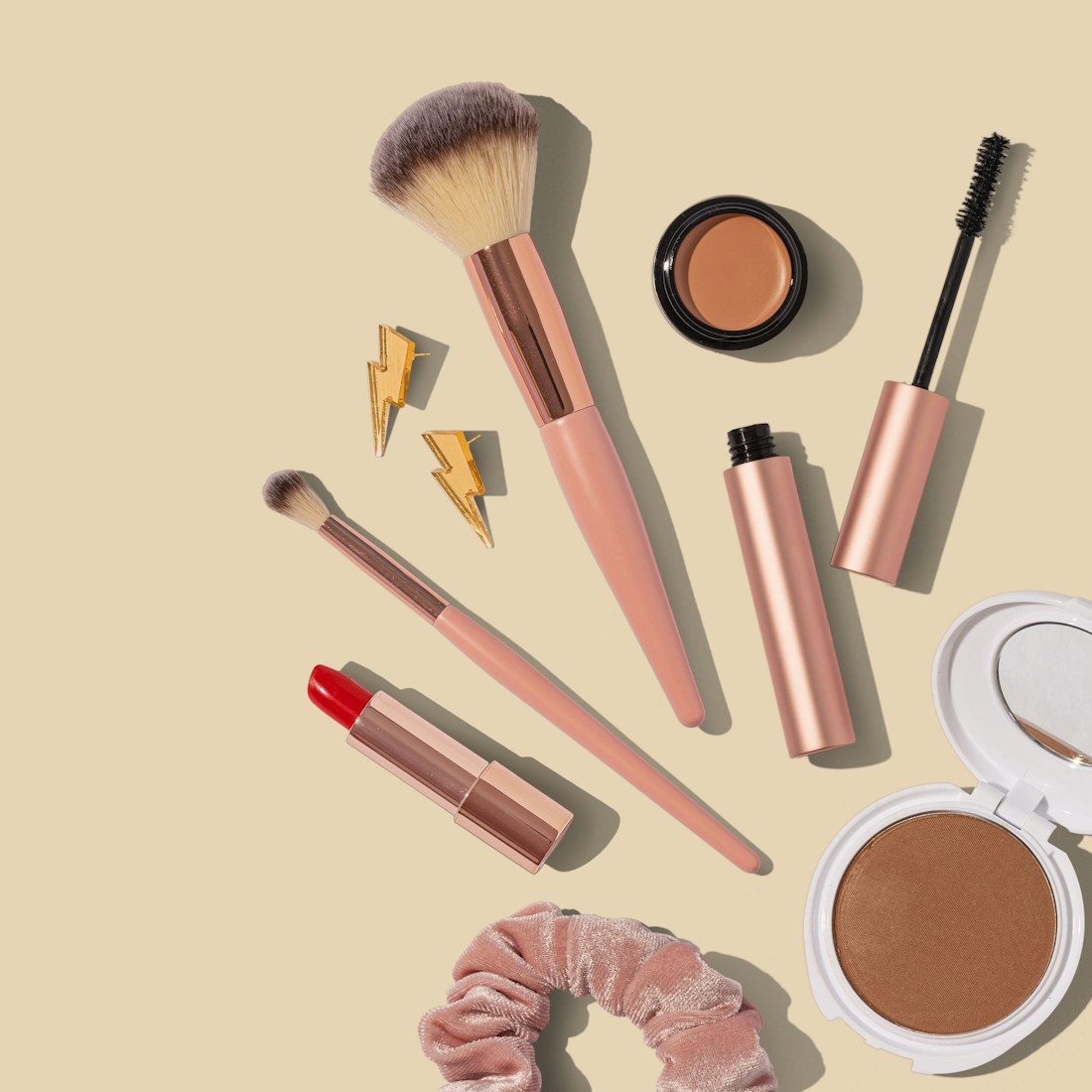

Beauty Blender (Teardrop Sponge)
The egg-shaped, non-latex foam sponge that started it all. Its unique teardrop shape serves two purposes: the rounded bottom covers large areas (cheeks, forehead) while the pointed tip reaches tight spaces (around the nose, under the eyes, inner corners). When dampened, it expands and becomes ultra-soft, bouncing product into the skin for a seamless, pore-blurring finish.
Soak in water until fully expanded (about double its dry size), then squeeze out excess. Apply foundation in dots on the face, then bounce (stipple) the sponge over the product using quick, light tapping motions. Never drag or wipe. The bouncing motion pushes product into the skin for a natural, blended finish.

Silicone Sponge
A flat, transparent, jelly-like applicator made entirely of silicone. Unlike foam sponges, the silicone sponge absorbs absolutely zero product -- every drop goes onto your face rather than being soaked up. It is completely non-porous, which means it is also the most hygienic option since bacteria cannot penetrate its surface. Easy to clean with just soap and water.
Place a small amount of foundation directly on the silicone surface. Press and pat (do not slide) the sponge across your face, working in sections. The flat surface spreads product evenly but requires more effort to blend edges seamlessly compared to a beauty blender. Works best with thinner, more liquid formulas.
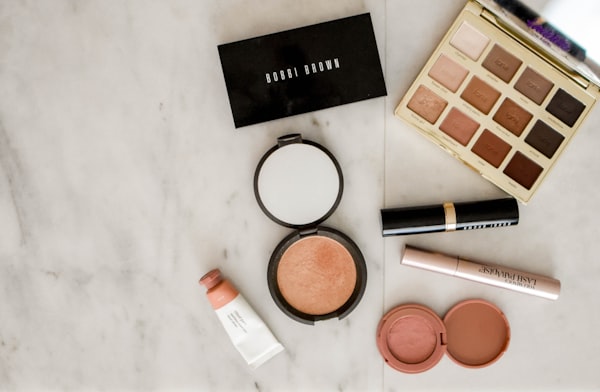
Wedge Sponge
The original makeup sponge -- a firm, triangular-shaped foam wedge that has been used by professional makeup artists for decades. Its angular shape provides flat surfaces for broad coverage and pointed edges for precision work. Typically sold in bulk packs and designed for single or limited use, making them ideal for sanitary professional applications where you need a fresh sponge for each client.
Can be used dry for full coverage or dampened for a more natural finish. Use the flat side to press and blend foundation across large areas. Use the pointed edge to blend concealer under the eyes and around the nose. Pat rather than swipe for the most even coverage. Discard after a few uses.
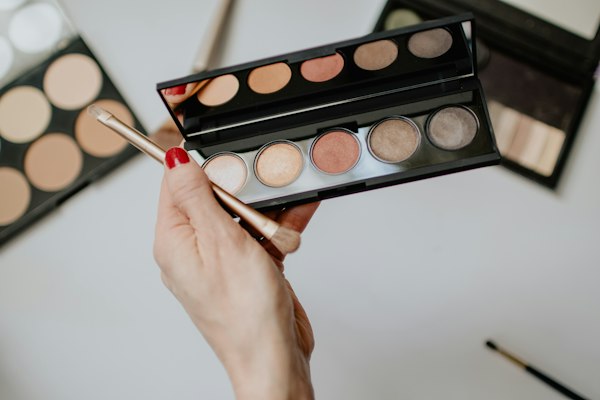
Powder Puff
A round, velour or cotton pad specifically designed for loose and pressed powder application. The soft, dense surface picks up and presses powder into the skin with more coverage and staying power than a brush. Powder puffs are the secret behind the "baking" technique that keeps Moroccan bridal makeup flawless through hours of celebration. Available in velour (soft, for everyday) and cotton (firm, for heavy-duty setting).
Press the puff into loose powder, then tap off excess. Roll and press (do not swipe) the puff onto the skin, focusing on the T-zone and under-eye area. For baking, pack a generous amount of powder under the eyes and let it sit for 5-10 minutes before dusting off. The puff presses powder into the skin for maximum hold.
Konjac Sponge
While not technically a makeup sponge, the konjac sponge is an essential pre-makeup tool. Made from the root of the konjac plant, this 100% natural sponge gently exfoliates and cleanses the skin, creating the perfect smooth canvas for makeup application. It removes dead skin cells without being abrasive, and its natural alkalinity helps balance skin pH. Perfect for Moroccan skincare routines that prioritize skin health as the foundation of beauty.
Soak in warm water for 1-2 minutes until fully soft. Apply your cleanser to the sponge or directly to your face, then gently massage in circular motions. The sponge provides a gentle physical exfoliation that preps skin beautifully for foundation. Rinse and hang to dry between uses. Replace every 4-6 weeks.
Wet vs Dry: The Two Sponge Techniques
The single biggest factor in your sponge results is whether you use it wet or dry. Here is the complete breakdown.

Damp Sponge Application
The wet technique is the professional standard and what I use on every client. Dampening the sponge causes it to swell, making it softer, bouncier, and less absorbent. It will not soak up as much product, and the water content helps blend foundation seamlessly into the skin.
- Run the sponge under clean water until fully saturated
- Squeeze out excess water firmly -- the sponge should be damp, not dripping. Squeeze in a clean towel for best results
- Apply foundation in dots on the face using fingers or a brush
- Bounce the damp sponge over the foundation using quick, light stippling motions
- Work from the center of the face outward, blending toward the hairline, jawline, and neck
- Use the pointed tip for undereyes, around the nose, and corners of the mouth
Sheer to medium coverage with a natural, dewy, skin-like finish. Product melts into the skin. Best for everyday wear, "no-makeup makeup," and natural bridal looks.
Dry Sponge Application
Using a sponge dry gives you significantly more coverage because the sponge is denser and less bouncy in its dry state. It picks up and deposits more product per bounce, and does not dilute the formula with water. This technique is ideal when you need serious coverage.
- Use the sponge straight from the package without wetting it
- Apply a thin layer of foundation directly onto the sponge or dot it on the face
- Press and pat the sponge firmly across the skin -- more pressure than the wet technique
- Build coverage in thin layers, allowing each layer to set slightly before adding more
- Use the flat side for broad areas and the tip for detail work
- Set with powder for maximum longevity
Medium to full coverage with a more matte, polished finish. Product sits on top of the skin. Best for events, photography, Moroccan bridal makeup, and when you need long-lasting full coverage.
Best Makeup Sponges at Every Price Point
From drugstore deals to the luxury gold standard, here are the sponges worth your money.
Real Techniques Miracle Complexion Sponge
An excellent beauty sponge that performs remarkably close to options twice its price. The dual-texture design features a flat edge for full coverage and a rounded side for blending.
- Soft and bouncy when wet
- Flat edge for under-eye concealer
- Expands to ideal size
- Available at most drugstores
- Latex-free and vegan
Beautyblender Original
The original that changed the industry. Its proprietary aqua-activated foam technology creates the most evenly blended, airbrushed finish. There is a reason every makeup artist owns at least one.
- Unmatched bounce and softness
- Even product distribution
- Lasts 3 months with proper care
- Edge-free design prevents streaks
- The industry benchmark
Shop Miss A Paw Paw Sponge
At just one or two dollars, this sponge is shockingly good. It has become a cult favorite in the beauty community for offering 80% of the performance of a Beautyblender at a fraction of the cost.
- Incredibly affordable
- Soft when dampened
- Replace frequently without guilt
- Good shape and bounce
- Perfect for beginners
Surratt Artistique Sponge
A premium, ultra-plush sponge loved by editorial makeup artists. Its silky texture and unique shape allow precise application that rivals an airbrush. The densest, softest bounce you will ever feel.
- Incredibly dense and plush
- Minimal product absorption
- Exceptional blending performance
- Lasts longer than competitors
- Preferred by editorial artists
Quick Sponge Comparison
| Sponge Type | Best For | Coverage | Finish | Lifespan |
|---|---|---|---|---|
| Beauty Blender | All-purpose daily use | Sheer to Medium | Dewy, natural | 3 months |
| Silicone Sponge | Thin liquid products | Sheer to Light | Smooth, even | 6+ months |
| Wedge Sponge | Full coverage, pro use | Medium to Full | Matte, polished | 1-3 uses |
| Powder Puff | Setting, baking | N/A (powder) | Matte, set | Wash weekly |
| Konjac Sponge | Pre-makeup skin prep | N/A (skincare) | Smooth canvas | 4-6 weeks |
Care, Cleaning & Replacement Guide
A dirty sponge is worse than no sponge at all. Here is how to keep yours in perfect condition.
Quick Clean After Every Use
After each makeup application, give your sponge a quick rinse under warm running water. Squeeze it several times until the water runs mostly clear. This prevents product buildup and keeps the sponge soft and bouncy for next time. Even this simple step dramatically extends sponge life.
- Rinse under warm (not hot) water
- Squeeze and repeat until water runs clear
- Gently press in a clean towel to remove excess water
- Store in an open, ventilated area to dry completely
Weekly Deep Cleaning
Once a week, your sponge needs a thorough deep clean to remove bacteria, oils, and product that has worked its way deep into the foam. This is non-negotiable for skin health. A dirty sponge is one of the most common causes of breakouts that clients come to me confused about.
- Wet the sponge and apply gentle soap, baby shampoo, or a dedicated sponge cleanser
- Massage the soap into the sponge, squeezing repeatedly
- For stubborn stains, let it soak in warm soapy water for 10-15 minutes
- Rinse thoroughly until all soap and product is removed
- Squeeze dry and place in a ventilated spot, never in a sealed bag
The Microwave Deep Clean
The viral microwave cleaning method actually works. It sanitizes and loosens deep product buildup that regular washing cannot reach. However, it must be done correctly to avoid damaging the sponge or creating a mess in your microwave.
- Fill a microwave-safe cup with water and a few drops of soap
- Submerge the sponge completely in the soapy water
- Microwave for 1 minute on medium power
- Let it cool before removing (the water will be hot)
- Squeeze out the water and rinse -- you will be amazed at the product that comes out
- Do this no more than once a month to preserve sponge integrity
When to Replace Your Sponge
Even with perfect care, sponges do not last forever. Using an old, degrading sponge compromises both your makeup application and your skin health. Here are the clear signs it is time for a new one.
- The sponge has permanent discoloration that does not wash out
- It tears, cracks, or starts crumbling during use
- The bounce has gone flat -- it no longer springs back when squeezed
- It has a musty or unpleasant smell even after cleaning
- Foundation application becomes streaky or uneven
- General rule: replace every 3 months maximum, sooner if used daily
Proper Storage
How you store your sponge matters as much as how you clean it. Improper storage is the fastest way to grow mold and bacteria on an otherwise clean sponge. The key principle: airflow. Your sponge needs to dry completely between uses.
- Always store in an open, ventilated area -- never in a sealed container or ziplock bag
- Use a sponge stand or holder that allows air circulation from all sides
- Keep away from damp bathroom counters if possible
- Never store wet in your makeup bag when traveling -- bring a ventilated case
- If traveling, allow the sponge to air dry before packing
Professional Tips from My Kit
After years of working as a professional makeup artist in Casablanca, here are my most practical sponge secrets that I share with every client.
- Keep multiple sponges in rotation -- while one dries, use the other
- Use a dedicated sponge for concealer and a separate one for foundation
- For Moroccan weddings (7+ hours), bring a backup dampened sponge in a sealed bag for mid-event touch-ups
- Lightly bounce setting powder over your finished base with a dry beauty blender for the smoothest finish
- Never share sponges between clients or friends -- single-use wedge sponges are better for shared situations
Frequently Asked Questions
Can I use a beauty blender with powder products?
Yes. A slightly damp beauty blender can be used to press setting powder into the skin, which creates a more natural, skin-like finish than a brush. Use the rounded bottom to press loose powder under the eyes and over the T-zone. This technique, called "bounce-setting," gives you a filtered, poreless look. For a more intense powder application, use the sponge completely dry.
Why does my sponge absorb so much foundation?
This usually means you are not dampening it enough. A properly soaked and squeezed sponge should be about twice its dry size and feel soft and bouncy -- not firm or dense. If the sponge is too dry, its porous foam absorbs product like a vacuum. Soak it thoroughly, squeeze out the excess, and you will notice a significant reduction in product waste. Also, applying foundation to your face first (rather than the sponge) reduces absorption.
Are expensive sponges really better than cheap ones?
The main differences are in the foam quality, which affects bounce and blending ability, and in durability. A genuine Beautyblender uses a proprietary foam with an open-cell structure that creates more even blending. Budget sponges work well but may have a slightly firmer texture, absorb more product, and break down faster. For everyday use, a mid-range option offers the best value. For professional work, I always use premium sponges because the difference shows in photos.
Sponge or brush: which is better for foundation?
Neither is universally "better" -- they create different finishes. A damp sponge gives a natural, skin-like, dewy finish with sheer-to-medium coverage. A brush gives more coverage and a more polished, airbrushed look. For most of my Casablanca clients, I use a brush to apply and a sponge to blend. This combination gives you the coverage of a brush with the seamless finish of a sponge -- the best of both worlds.
Can mold grow inside my beauty sponge?
Yes, and this is the number one reason proper care matters. Mold thrives in warm, damp environments -- exactly what a wet sponge stored in a sealed bag creates. Signs include black spots inside the sponge, a musty smell, or skin irritation after use. To prevent mold: always let your sponge dry completely between uses, store in an open area with airflow, deep clean weekly, and replace every three months at most.
Experience Professional Application
There is nothing quite like the flawless finish achieved by a professional makeup artist using the right tools and techniques. Book a session in Casablanca and see the difference for yourself.
Book with Lamyaa