The Magic of a Moroccan Wedding
A Moroccan wedding is not simply a ceremony -- it is a spectacle that unfolds over three to seven days, a celebration woven from centuries of Amazigh, Arab, Andalusian, and African traditions. At the heart of it all stands the bride, transformed through the art of moroccan bridal makeup into a living vision of beauty and grace.
Unlike Western weddings where a single look carries the day, the Moroccan bride undergoes five to seven complete transformations. Each outfit change -- known as a bedla -- demands its own coordinated makeup look, from dramatic smokey eyes paired with a velvet burgundy takchita to soft, luminous skin complementing a white kaftan. This is maquillage mariée marocaine at its most demanding and most rewarding.
The Hammam Ritual: Where Beauty Begins

Days before the wedding, the Moroccan bride visits the hammam -- the traditional steam bath -- for a purification ritual that has remained unchanged for centuries. This is not mere skincare; it is a spiritual cleansing, a threshold between her old life and new.
The Hammam Beauty Ritual Step by Step
- Savon Beldi (Black Soap): Made from olive oil and macerated olives, this rich paste is applied all over the body to open pores and soften the skin.
- Kessa Glove Exfoliation: Using a rough mitt, the tayaba (hammam attendant) scrubs the skin in long, vigorous strokes, removing dead cells and revealing luminous skin beneath.
- Ghassoul Clay Mask: Mined from the Atlas Mountains, this mineral-rich clay is applied to face, body, and hair, drawing impurities and leaving skin silky and tightened.
- Rose Water Rinse: Moroccan rose water from the Valley of Roses in Kelaat M'Gouna provides the final rinse, toning the skin and leaving a delicate floral scent.
- Argan Oil Massage: The precious oil of the argan tree is massaged into the skin, providing deep hydration and a natural glow that forms the perfect canvas for moroccan wedding makeup.
This hammam preparation is essential to achieving the radiant, dewy complexion that characterizes the finest moroccan bridal makeup. Without it, no amount of foundation can replicate the genuine luminosity of properly prepared skin.
The Henna Night: Art on Skin

The laylat al-henna (henna night) traditionally takes place one or two evenings before the wedding. The bride, dressed in a green caftan symbolizing fertility and paradise, sits on a throne-like chair called the amaria while a neqqasha (henna artist) paints elaborate geometric and floral patterns on her hands and feet.
The makeup for henna night is purposefully understated -- soft, glowing skin with a touch of kohl and a rose lip -- allowing the henna artwork to take center stage. The bride's eyes are lined with traditional kohl, believed to ward off the evil eye and bless the marriage with protection.
The Kohl Tradition
Kohl (kuhl in Arabic) holds profound significance in Moroccan bridal culture. Far more than eyeliner, it is a talisman. The groom's mother traditionally applies kohl to the bride's eyes on the wedding day, symbolically transferring her blessing. Made from antimony or burnt almond shells mixed with oils, authentic Moroccan kohl creates a deep, smudged line that frames the eyes with an intensity no modern product can quite replicate. In contemporary moroccan wedding makeup, professional artists honor this tradition while using safer, modern formulations that capture the same dramatic effect.
The 5-7 Outfit Changes: A Makeup Marathon
The centerpiece of every Moroccan wedding is the berza -- the grand parade of bridal outfits. The bride is carried on an ornate platform (the amaria) by costumed bearers, circling the room so every guest can admire each new ensemble. Each takchita or caftan change requires a complete makeup adjustment, making the Moroccan bridal experience one of the most demanding in the world for a makeup artist.
The White Caftan -- Purity & Light
The bride often begins in white, symbolizing purity. The makeup here is luminous and fresh: dewy skin, champagne shimmer on lids, soft pink lips, and a natural brow. Think glow, not drama. The goal is angelic radiance.
The Green Takchita -- Heritage & Fertility
Green represents paradise in Islamic tradition. The makeup transitions to warm golds and olive tones on the eyes, paired with a nude or coral lip. Bronze contour adds warmth. Emerald or gold jewelry demands equally rich eye makeup.
The Red or Burgundy Caftan -- Passion & Celebration
The most dramatic look of the night. Deep berry or burgundy lips, smokey eyes in plum and black, strong contour. This is the moment of maximum glamour in moroccan bridal makeup, often paired with the heaviest gold jewelry.
The Blue or Royal Takchita -- Nobility
Cool-toned eyes with silver or slate blue shadows, paired with a rosy nude lip. The skin is mattified and porcelain-smooth. Blue in Moroccan culture wards off the evil eye, and this look balances tradition with modern elegance.
The Gold Caftan -- Royalty & Prosperity
All-gold everything demands makeup that matches the opulence: bronze and copper eyeshadow, gilded highlight, warm nude lips. The bride becomes a queen in gold brocade, and the makeup artist ensures her face shines as brightly as the fabric.
The Final Transformations -- Personal Choice
The last outfits often reflect the bride's personal style -- perhaps a modern Moroccan fusion look or a pastel caftan with soft, romantic makeup. Some brides choose a Western-style white gown for the final dance, with classic bridal makeup: defined eyes, perfect skin, and timeless red lips.

Traditional vs. Modern Moroccan Bridal Looks
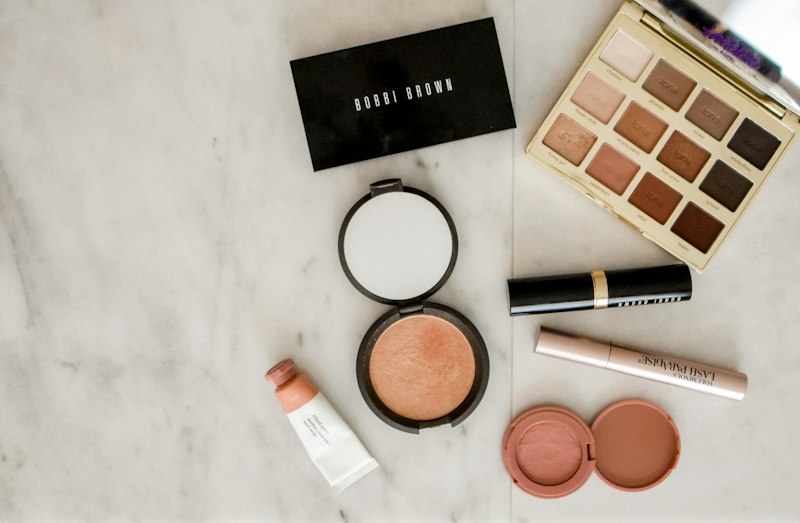
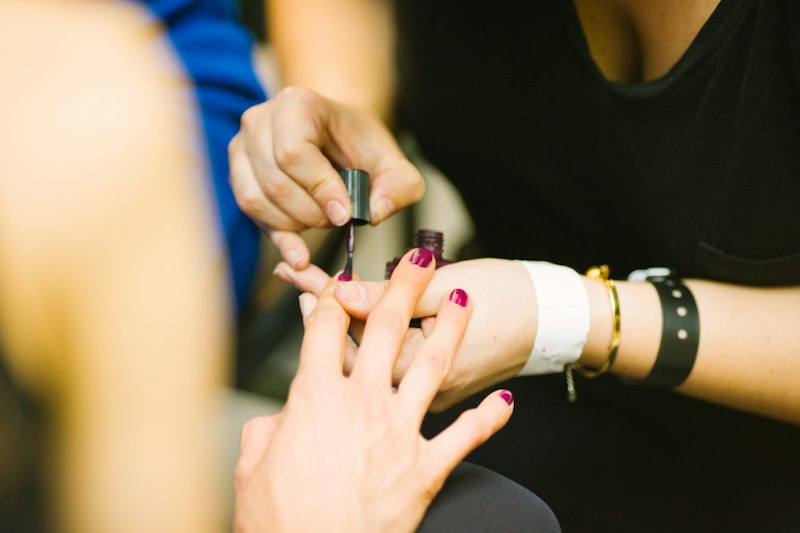
Today's Moroccan brides stand at a fascinating crossroads between ancestral tradition and contemporary beauty trends. The most skilled makeup artists -- like those working in Casablanca's vibrant wedding industry -- know how to honor both.
Two Approaches to Moroccan Bridal Beauty
Traditional Approach
- Heavy kohl lining the waterline and extending into wings
- Full-coverage matte foundation with porcelain finish
- Bold, defined brows shaped into strong arches
- Rich, saturated lip colors (berry, red, plum)
- Heavy contour for sculpted, photographic drama
- Gold and jewel-toned eyeshadows with full shimmer
- Coordinated exactly to each outfit color
Modern Approach
- Smudged liner or lash-line definition for softer drama
- Luminous, skin-like foundation with strategic highlight
- Feathered, natural brows with lamination effect
- Nude, rose, or ombré lip combinations
- Soft sculpting with cream products for a 3D effect
- Neutral and taupe palettes with selective shimmer
- A signature look adapted subtly for each outfit
The best moroccan wedding makeup finds the sweet spot: kohl-rimmed eyes that feel modern rather than heavy, radiant skin that photographs beautifully under both flash and ambient light, and lip colors that complement the takchita without overwhelming the bride's natural beauty.
Essential Techniques for Moroccan Bridal Makeup
Long-Wear Base
With celebrations lasting 8-12 hours, the base must be bulletproof. Professional Moroccan bridal artists use waterproof primers, setting sprays, and long-wear foundations that withstand tears, heat, and the physical demands of the amaria.
Quick-Change Strategy
The eyes are the anchor -- built to last all night. Between outfit changes, artists adjust the lip color, add or remove shimmer accents, and refresh the highlight. A well-planned moroccan bridal makeup strategy minimizes transition time.
Flash-Friendly Finish
Every guest has a phone camera. Modern maquillage mariée marocaine avoids SPF-heavy products that cause flashback, uses HD-compatible formulas, and balances matte zones with strategic luminosity.
Cultural Color Harmony
Each takchita color carries cultural meaning. The makeup artist must understand which shades honor tradition while flattering the bride's skin tone -- an art that requires deep knowledge of Moroccan culture and color theory alike.
Why Your Moroccan Bridal Makeup Artist Matters
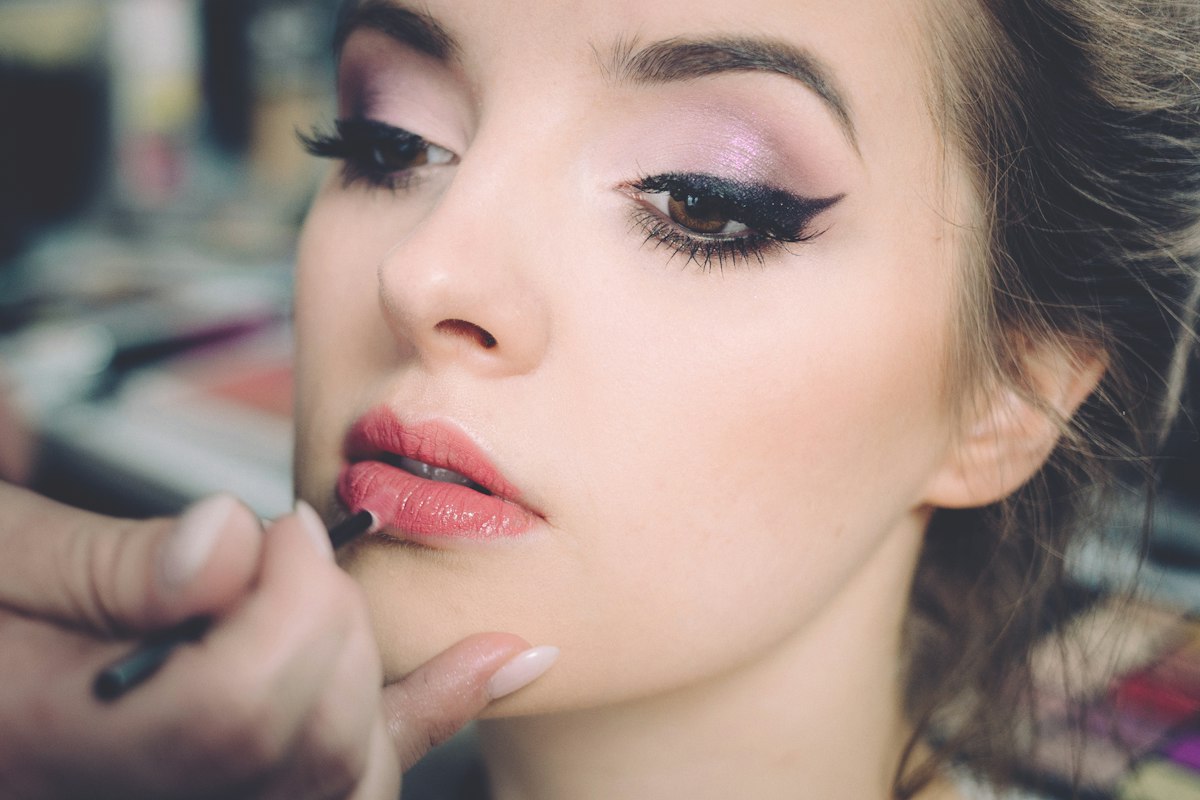
A Moroccan wedding makeup artist is not merely applying cosmetics -- she is a cultural interpreter, a crisis manager, and an artist working under extraordinary pressure. She must complete each full look in 20-30 minutes between outfit changes, maintain consistency across 5-7 transformations, and ensure the bride looks flawless from the first entrance to the final dance at 4 AM.
This is why choosing a seasoned professional is paramount. An experienced moroccan bridal makeup artist like Lamyaa Aissi brings not only technical mastery but an intuitive understanding of Moroccan wedding culture -- knowing when to amplify drama, when to soften, and how to keep the bride comfortable and confident through every single transformation.
Planning Your Moroccan Bridal Makeup
If you are planning a traditional Moroccan wedding and searching for a moroccan wedding makeup artist who truly understands the art, the culture, and the demands of a multi-look celebration, Lamyaa Aissi offers bespoke bridal packages tailored to the Moroccan wedding experience. Based in Casablanca and available across Morocco, each bridal package includes a comprehensive trial, outfit consultation, and full wedding-day coverage for every single look.


